
Building resilience through knowledge
Top 10 Geopolitical Risks for Canadian Business
-
Canadian businesses must prepare for a decade defined by heightened uncertainty, shifting alliances, and rapid technological and environmental change. Proactive risk management, diversification strategies, and geopolitical foresight will be essential to thrive in this new era. IGPRisk is committed to supporting organizations with insights, training, and tailored advisory services.
-
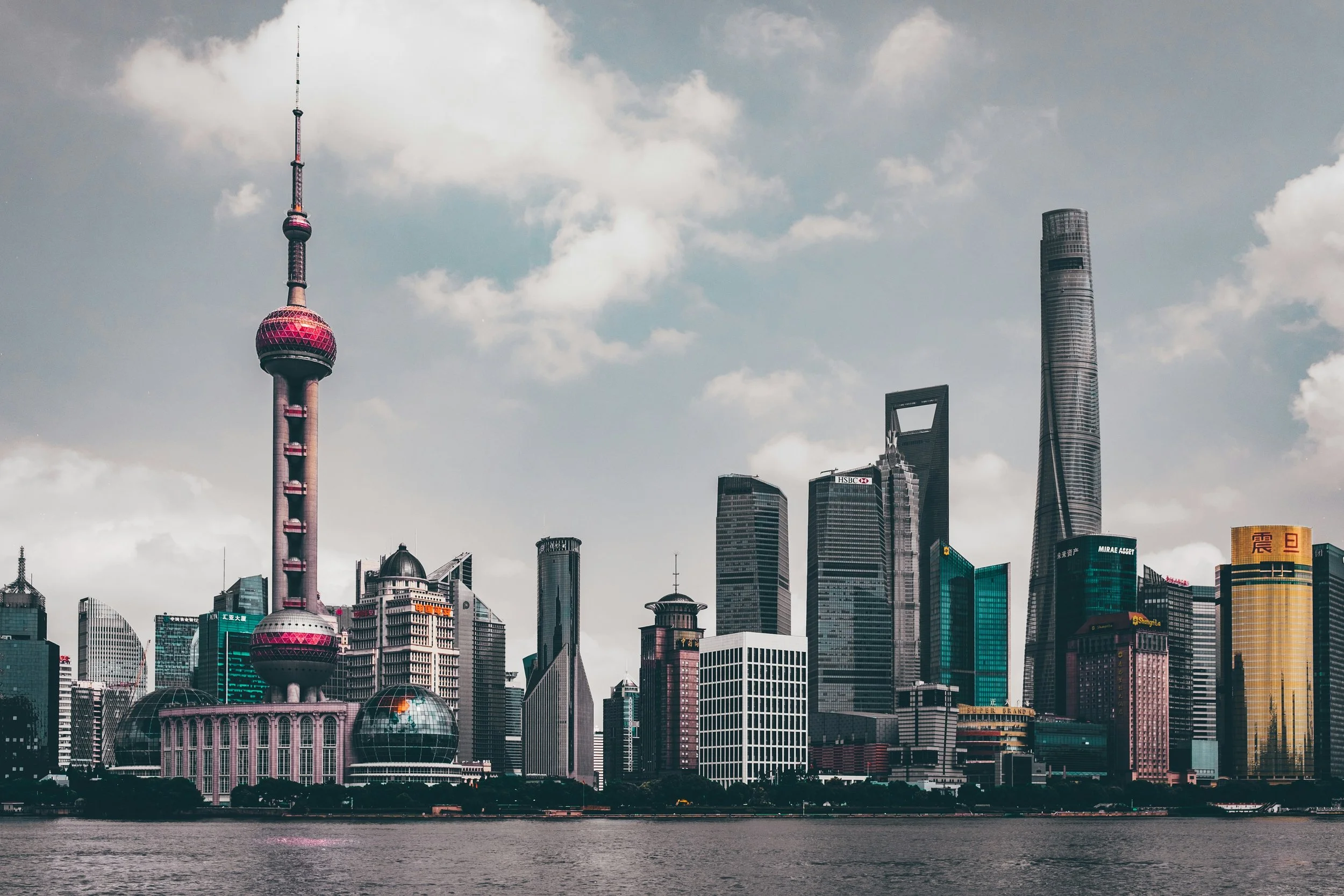
U.S.–China Strategic Rivalry
Escalating trade disputes, technology decoupling, and potential flashpoints in Taiwan and the South China Sea could impact Canadian exporters and global supply chains.
-
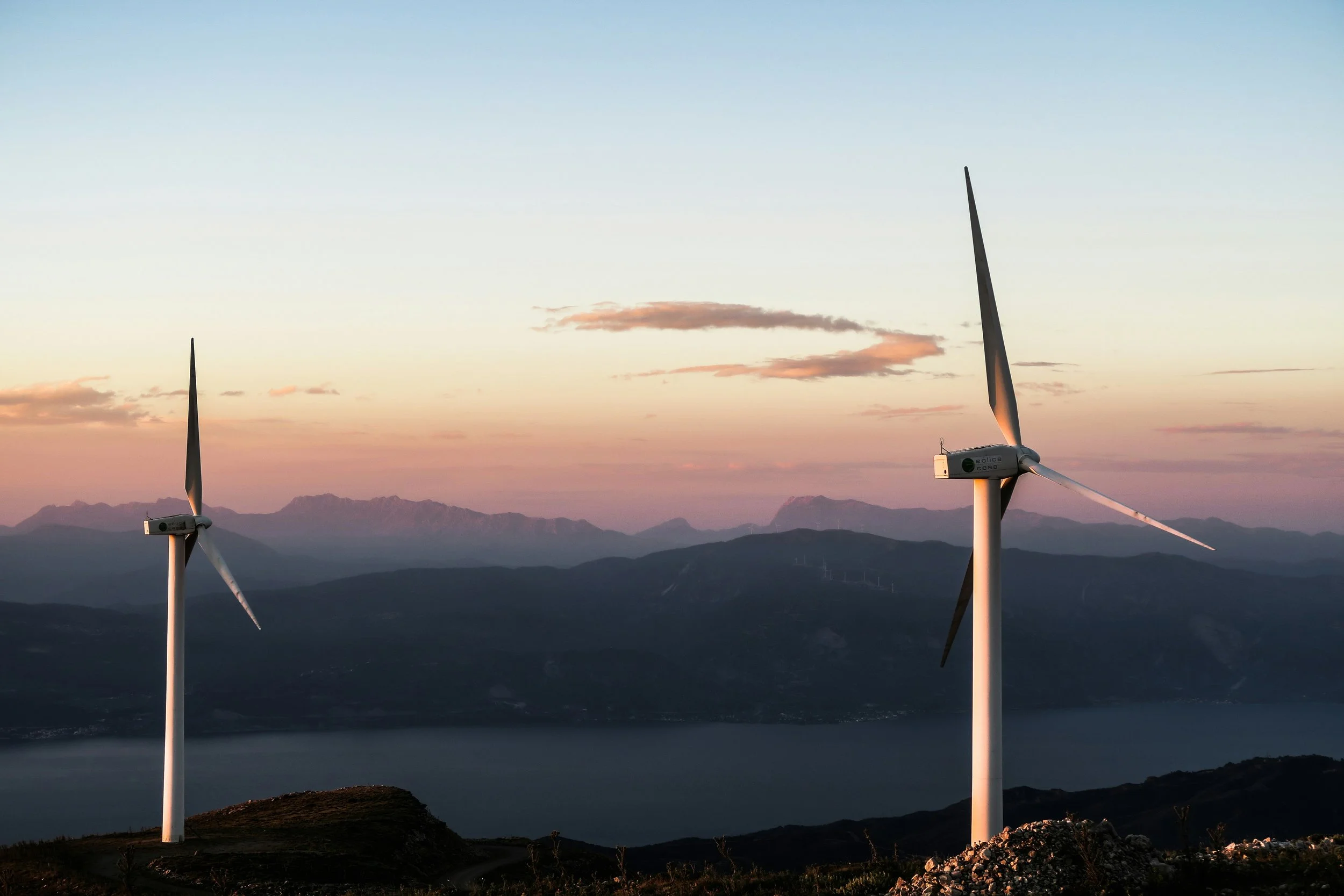
Global Energy Transition Tensions
As countries accelerate decarbonization, geopolitical frictions over critical minerals, energy security, and ESG standards will reshape global markets.
-

Russia, Ukraine, and European Security
The conflict in Ukraine and NATO’s evolving posture will continue to disrupt energy, trade, and defense markets.
-

Middle East Volatility
Uncertainty in Iran, Israel, and the Gulf raises risks for global oil markets and regional stability.
-

Latin America Instability
Shifting political landscapes and economic fragility may create both risks and opportunities for Canadian firms in mining, energy, and agriculture.
-
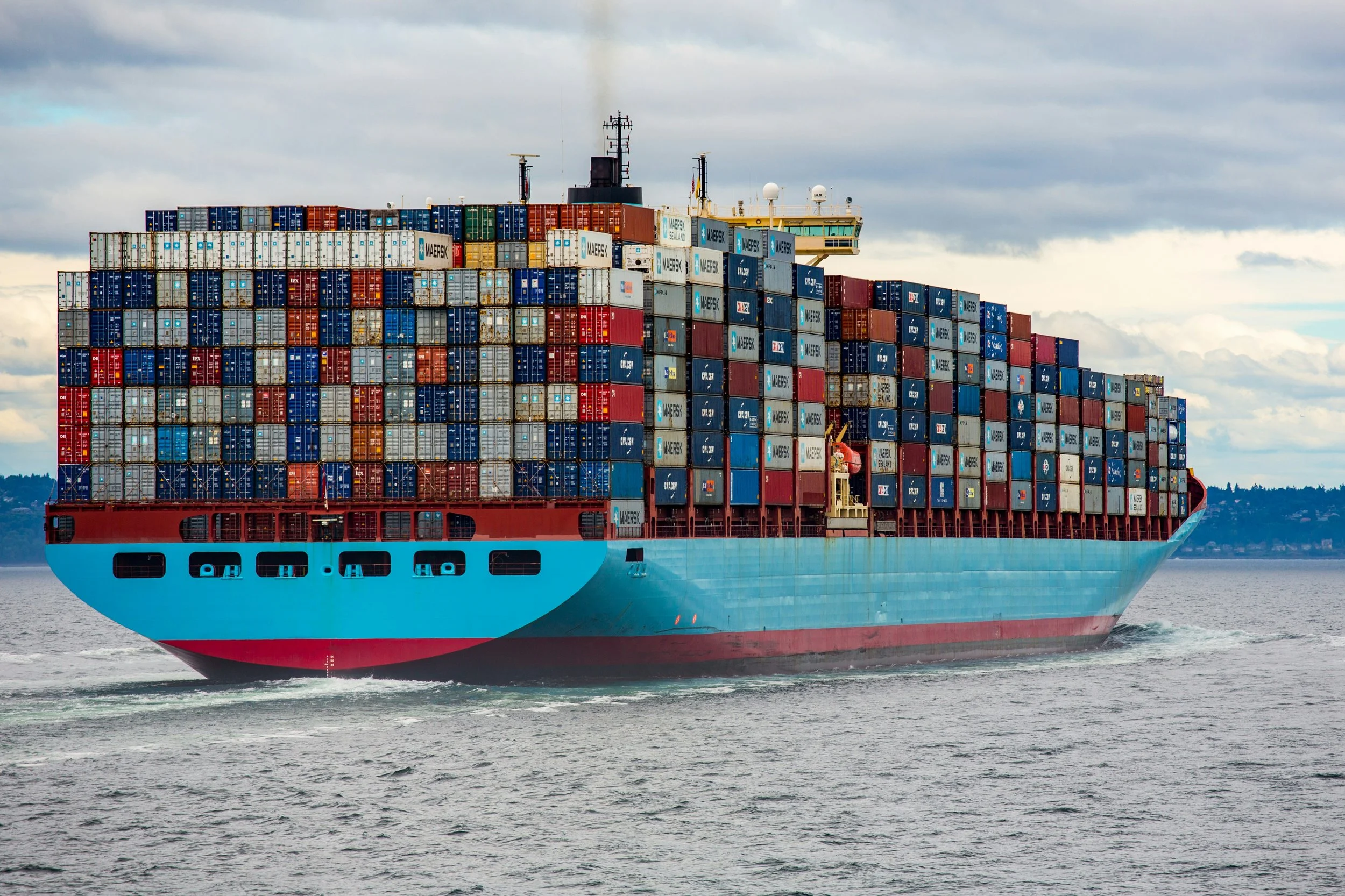
Rising Protectionism & Trade Fragmentation
Governments worldwide are tightening trade and investment policies, challenging Canadian firms dependent on global markets.
-

Cybersecurity & Digital Geopolitics
Cyber warfare, AI weaponization, and data sovereignty battles will pose significant risks to Canadian corporates and financial institutions.
-
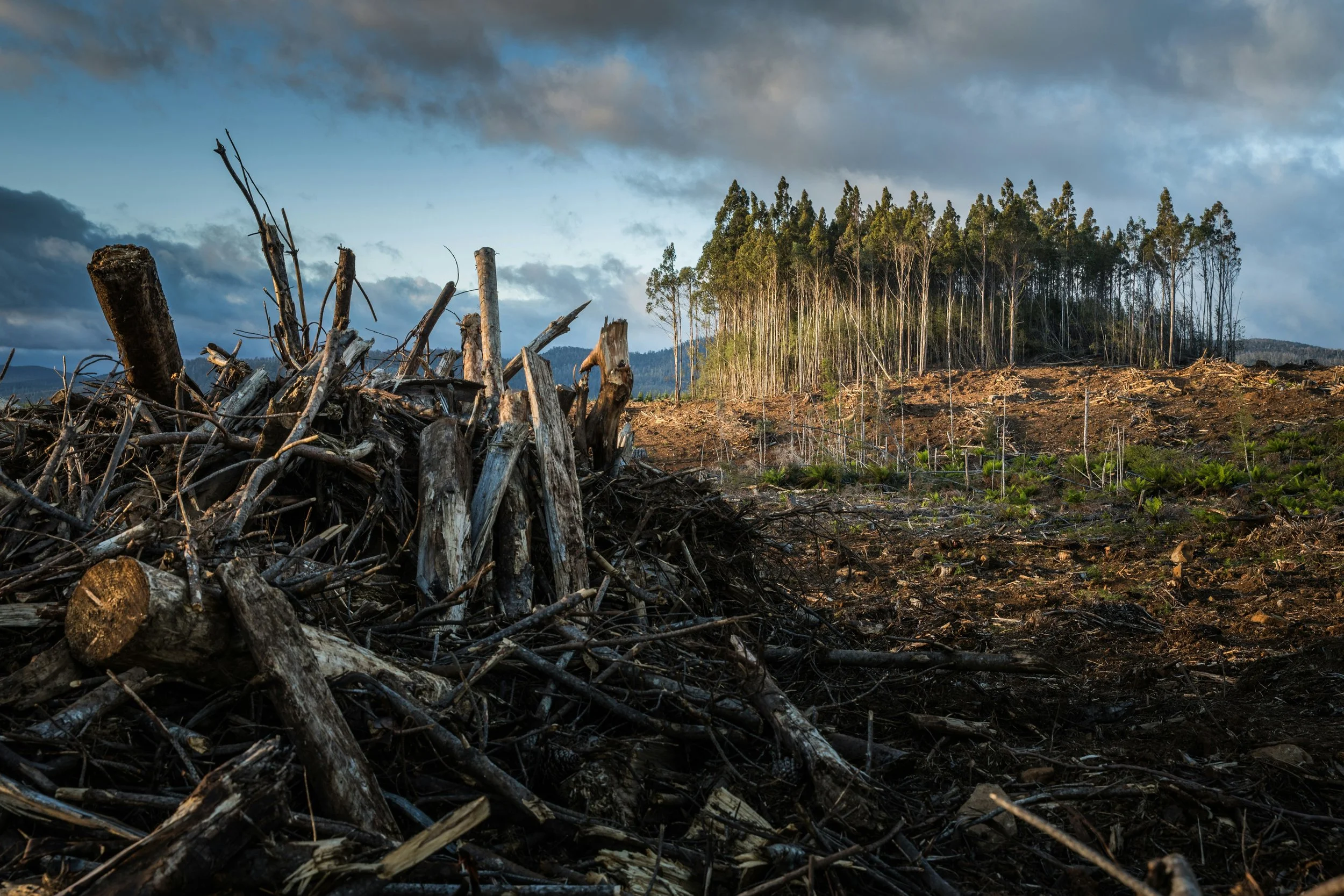
Climate Change & Extreme Weather
Increasingly frequent climate shocks will disrupt supply chains, infrastructure, and insurance markets.
-

Global Migration Pressures
Political instability, economic inequality, and climate change will drive migration, reshaping labor markets and policy debates in Canada.
-

Domestic Political Polarization
Growing divisions within Western democracies, including Canada, may weaken policy coherence and business confidence.
Why Every Business Needs Geopolitical Foresight — and the Power Behind It
Why Every Business Needs Geopolitical Foresight — and the Power Behind It
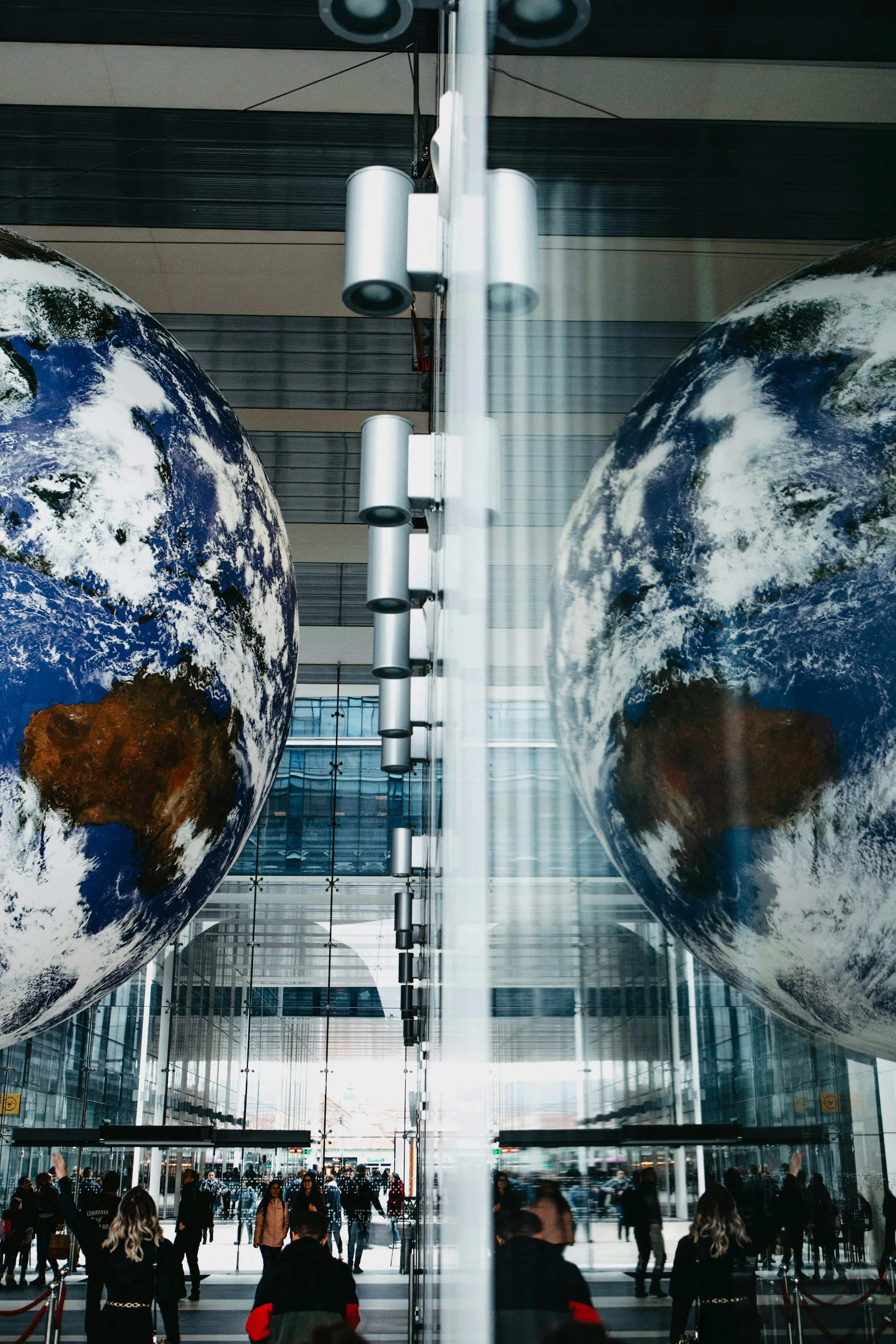
In an era defined by uncertainty, geopolitical foresight has become a strategic necessity, not a luxury. Global events — from trade wars and regional conflicts to cyberattacks and climate shocks — no longer stay confined to the news cycle. They shape supply chains, investment flows, regulatory environments, and consumer confidence.
For decades, companies managed “market risk” and “financial risk.” Today, geopolitical risk is the third pillar — one that can determine whether a business adapts or falls behind. When governments impose new export controls, when energy routes shift overnight, or when elections reshape policy, the ripple effects reach boardrooms everywhere.
Geopolitical foresight isn’t about predicting the future — it’s about preparing for it. It gives leaders the ability to:
Anticipate disruptions before they hit balance sheets.
Assess exposure across countries, suppliers, and partners.
Adapt strategies to shifting alliances and trade systems.
At the Institute for Geopolitical Risk (IGPRisk), we see foresight as a form of power — the power to act with confidence in an uncertain world. Using data-driven models and scenario planning, we help organizations turn complexity into clarity.